
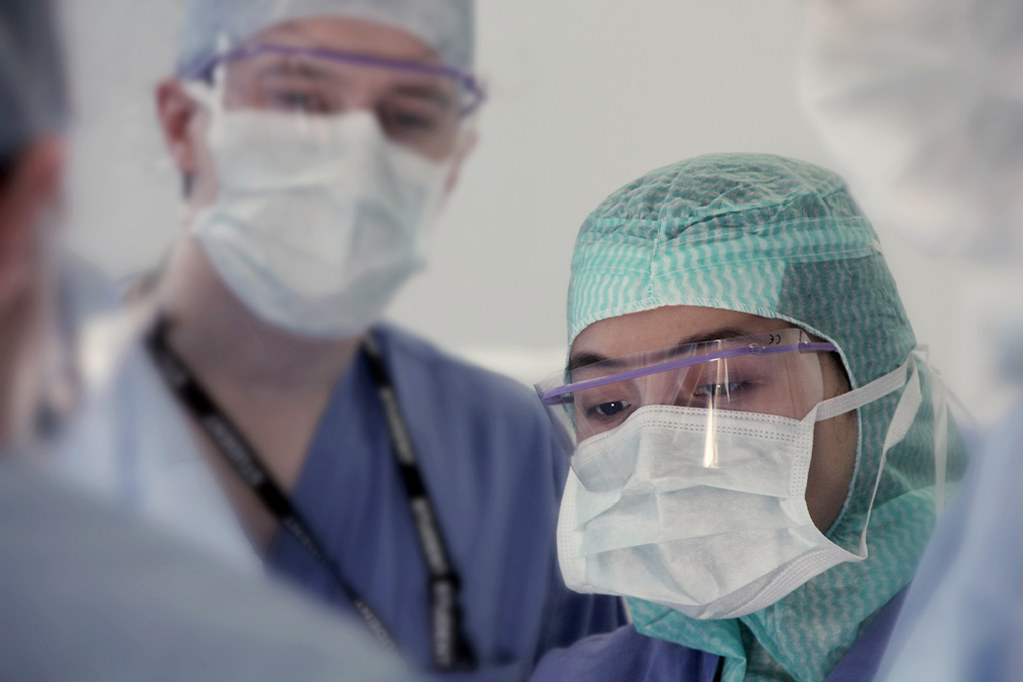
An adrenal surgery, commonly referred to as adrenalectomy, is a surgery done to remove adrenal glands. Adrenal glands are usually located right above the kidneys. They produce hormones that regulate the immune system, blood sugar, metabolism, blood pressure, and various other functions. Adrenal surgeries are usually performed on patients with adrenal tumors, especially when the tumor leads to excessive production of hormones. The surgery can also be performed when the adrenal glands become cancerous. Some interesting facts about adrenal surgeries are highlighted below.
Adrenal Surgeries Can Be Done in Multiple Ways
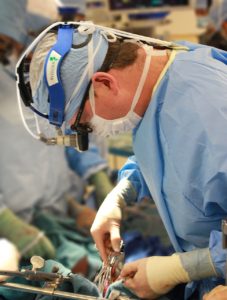 There are two main ways of performing adrenalectomy, namely open and minimally invasive operation. For the minimally invasive operation, laparoscopic adrenalectomy is the most preferred option. It involves the use of special instruments and a small camera. In most cases, the decision to determine the surgery method to be used is usually based on factors such as type, size, and appearance of the tumor. The medical history of the patient is also considered.
Adrenal Surgery Has a Short Recovery Period
The recovery period usually varies between patients and depends on the procedure used. Adrenal laparoscopy is known to have a shorter recovery time compared to other methods such as open surgery. Most patients are usually discharged from the hospital on the next day after surgery if there are no complications. The surgery may limit the range of activities for a while, but most patients can usually resume their lifestyle within a week.
Adrenal Surgery Has Risks
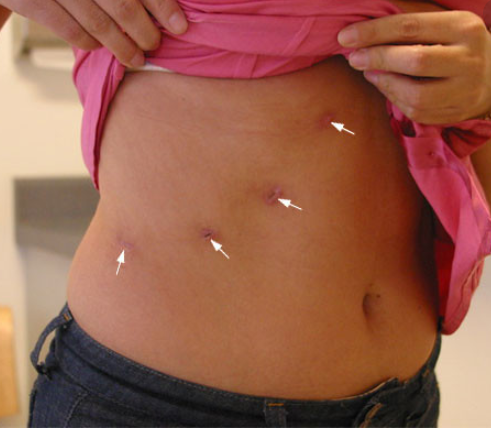 Just as with any other surgery, there are some risks involved in adrenalectomy. Various complications might occur during the surgery, especially with open adrenalectomy. Some of the possible complications include bleeding, blood clotting, reactions to anesthesia, damage to nearby organs, hernia, in infection of wounds. However, complications are not quite common and occur in less than two percent of all adrenal surgeries. Patients can also experience some discomfort and pain after the surgery. However, doctors usually prescribe some medication to help with that.
Adrenal Surgery Patients Need Follow Up Visits to The Doctor
Being discharged after an Adrenal surgery is usually not the end of treatment. You might resume all normal activities and feel healthy after some time, but it is still essential to make follow-up visits. The first visit is when the doctors can determine how successful the surgery was. For cases where both adrenaline glands are removed, the patients might also need to stay on hormonal medication. The doctors can help to calibrate such medication.