

When people think about improving their mood, they often focus on sleep, exercise, hobbies, or relaxation. One important factor is often overlooked: food. The connection between what we eat and how we feel has existed for centuries, but modern lifestyles have made it easy to forget. Meals are often chosen based on convenience, cravings, or busy schedules rather than how they support our overall well-being. Yet the foods we consume can influence our energy levels, emotions, and even how we handle daily stress. Understanding the relationship between food and mood can help us make choices that support both our bodies and our minds.
Your Brain Depends on the Food You Eat
The brain is one of the most energy-demanding parts of the body, and it relies heavily on nutrients to function properly. The foods we eat provide the building blocks needed for communication between brain cells and the production of important chemicals linked to emotions. A balanced diet with a variety of nutrients helps support steady energy and mental clarity. On the other hand, regularly relying on highly processed foods may contribute to energy crashes that can leave us feeling tired, distracted, or irritable.
Blood Sugar Plays a Big Role in How You Feel

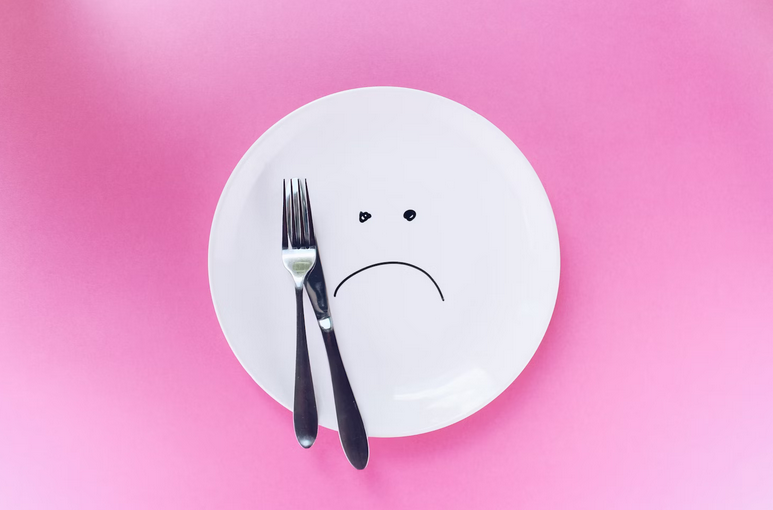
Have you ever noticed that your mood changes when you are hungry? There is a reason for that. When blood sugar levels rise and fall quickly, our energy and emotions can shift along with them. A sugary snack may provide a quick boost, but the crash afterward can leave us feeling drained. Choosing meals that include a balance of protein, healthy fats, and complex carbohydrates can help maintain more consistent energy and support a more stable mood throughout the day.
Comfort Food Is Connected to Memories and Emotions
Food is about more than nutrition. It is also deeply connected to memories, culture, and personal experiences. A favorite meal can remind us of family gatherings, celebrations, or meaningful moments from the past. This emotional connection explains why certain foods feel comforting during stressful times. While enjoying comfort foods can be a positive experience, building a wide range of healthy eating habits allows us to find emotional support from food without depending only on indulgent choices.
Gut Health and Mood Are Closely Linked
The relationship between the gut and the brain has become an important area of research. The digestive system contains a large community of microorganisms that interact with the body in many ways. Supporting gut health through a diverse diet that includes fiber-rich foods can help maintain overall wellness. Many people are surprised to learn that taking care of their digestion may also play a role in supporting how they feel mentally and emotionally.
Small Food Choices Can Create Big Changes

Improving the connection between food and mood does not require completely changing your lifestyle overnight. Small adjustments can make a meaningful difference. Adding more whole foods, drinking enough water, eating regular meals, and paying attention to how certain foods make you feel are simple steps toward a healthier relationship with eating. The goal is not perfection but awareness. Understanding your body’s signals can help you make choices that support your energy and emotions.
Eating Mindfully Changes the Experience
In busy daily life, many people eat while working, scrolling on their phones, or rushing between responsibilities. This can disconnect us from the experience of eating. Mindful eating encourages people to slow down, notice flavors, and pay attention to hunger and fullness signals. This simple practice can help create a healthier relationship with food and make meals feel more satisfying. When we become more aware of what we eat, we are better able to understand how different foods affect our mood.
The relationship between food and mood is easy to overlook, but it plays an important role in everyday life. What we eat can influence our energy, focus, emotions, and overall sense of well-being. Food is not a solution for every challenge, but it is a powerful part of caring for both the body and mind. By paying more attention to our meals and choosing foods that support us, we can rediscover the connection between nourishment and happiness.




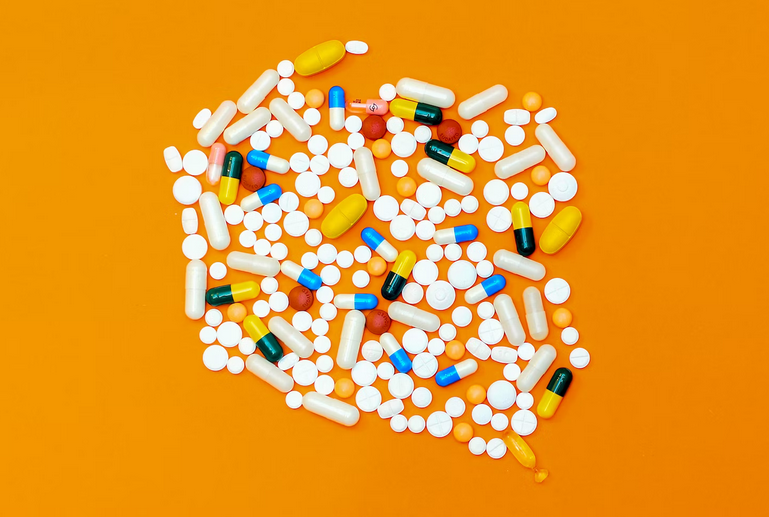
 Many weight loss pills work by suppressing your appetite or reducing food cravings. By making it easier to resist unhealthy temptations and stick to your dietary goals, these pills can help you establish better eating habits.

 Joints can be injured through various mechanisms, including falls, car accidents, and sports injuries. Joints can also be injured as a result of overuse. When a joint is injured, the surrounding muscles, tendons, and ligaments can also be strained or damaged. It can lead to pain, stiffness, and swelling in the joint.
 Joint pain can also be caused by infection. Common infections can be the result of bacteria or viruses. Infections can also occur after a joint injury or surgery. Symptoms of an infected joint include redness, warmth, and swelling in the affected area. If you think you may have an infected joint, it is crucial to see a doctor as soon as possible, as joint infections can be severe.
 The majority of these supplements often target to boost strength and muscle gain. A study report posted in the Journal of Clinical Endocrinol and Metabolism declares that the administering of testosterone aids body composition and structure. Other studies from the same journal claiming that one can target abdominal fat concentrations with an increase in testosterone levels. Even minus organized workout routines, the use of this supplement is enough to boost strength and muscle mass.
 This hormone is essential in the sexual activity and health of men. Issues such as low libido and erectile dysfunction are linked with low levels of this compound often. By utilizing a booster supplement, it’s possible to rehabilitate male sexuality and improve sexual function. The World Journal of Urology says that supplements and other testosterone replenishments help boost libido and sexual frequency in a man.
 Apart from functions concerning sex and bodybuilding, testosterone supplements are responsible for enhancing the user’s mood and energy levels. An increase in muscle mass helps contribute to a better mood, as per a report from the American Journal of Physiology: Endocrinology and Metabolism.