If you have an impending drug test soon, one of the first questions you may be asking yourself is whether or not you have any traces of marijuana within your body. Drug tests are used to determine if you have tetrahydrocannabinol (THC) in your system—and unfortunately, this chemical compound can linger for weeks after marijuana use. However, the method of drug testing plays a significant role in determining whether or not THC traces are picked up by the test. For example, if you’ve indulged in marijuana within the past 4–6 weeks, it will come up on a urine test; that extends to 8–11 weeks for a blood test, and as long as three months for a hair follicle drug test.
The reason that the average drug test searches specifically for THC in your system is because other chemical compounds found in marijuana don’t stay in your body for nearly as long. This is why other marijuana-based products don’t carry the same danger of being picked up on a drug test as traditional marijuana does.
What to Expect from a Urine Test
Urine tests are the most common form of drug testing, as they are relatively simple, inexpensive, and non-invasive compared to other testing methods. Urine tests are the least accurate for detecting THC in your system, but they can still detect marijuana up to 30–45 days after you’ve used it. In the case of a heavy, regular marijuana user, it can take a couple of extra weeks to clear a urine test depending on the scale of marijuana use and body composition.
What to Expect from a Blood or Saliva Test
Blood tests are very rarely used because THC is filtered out of the bloodstream within several hours of marijuana use, especially in the case of occasional users. However, a blood test which searches not only for THC but also for other compounds can detect weed use several days after the fact. This kind of testing is most frequently used to accurately indicate very recent marijuana use, and it is not usually the testing method for the average workplace.
Similarly, if saliva testing is not performed within 24 hours of usage, results will more than likely be negative.
What to Expect from a Hair Follicle Test
A hair follicle test is commonly used to test for a number of different recreational drugs, not only marijuana. Although hair follicle tests are not nearly as common as, for example, urine tests, they do allow drug use to be detected retroactively for a much longer period.
This test can accurately detect drug usage up to 90 days before the test itself, so it’s crucial for the person being examined to know ahead of time if they will be required to submit to a hair follicle test. These tests are generally considered to be quite accurate, as they are designed to account for any environmental circumstances which may skew the results, such as hair dying or other abnormal chemical exposure to the subject’s hair. This test is not the most likely choice when testing for recent drug use, as it takes 5–7 days just to get the results. If you’re not sure how to beat a hair follicle drug test with hair follicle detox shampo0s, here is a guide on the same that you follow.
What Variables Determine How Long Marijuana Stays in My System?
 This is a perfectly valid question, especially if you’re concerned about passing an upcoming drug test and you feel that your system may not have enough time to filter out all the chemical traces of drug use. Fortunately, there are a few key factors which determine how long marijuana stays in your system, and these may be able to point you in the right direction about where you stand in terms of passing your drug test.
First, the frequency and extent of your marijuana use is a major factor that determines if traces of the drug will stay in your system longer. On top of that, the THC concentration of the marijuana that you’ve used is something worth considering; the higher the THC concentration, the longer you can expect it to stay in your system.
The method by which one ingests marijuana can also determine the amount of time that it remains detectable within your system. For instance, smoking marijuana will keep it in your system for a relatively short amount of time, but consuming it through some form of edible will cause it to remain for a longer period. This is because ingesting marijuana causes the chemicals to be broken down more slowly via the digestive system.
Your weight and body composition also play a huge role in how long marijuana lingers in your system. THC stores itself in fat cells, so if your fat-to-muscle ratio is relatively high, you can expect marijuana to hang around a bit longer than the average person. Conversely, if you are fit, active, and follow a proper diet, you can expect THC to be processed out of your body much quicker than somebody whose fitness level is relatively low.
Other drugs and medication can also raise or lower the THC content in your system. If you take any kind of substance regularly either for medical or recreational purposes, be sure to look into how that might affect your body’s ability to process marijuana in a timely manner.
It should be noted that studies have shown that marijuana can make its way into breast milk; nursing babies have even tested positive for it in their urine. This is obviously very dangerous for a developing infant and can affect things like muscle tone.
Final Thoughts
Knowing how long marijuana can stay in your system can be a huge game changer if you are hoping to pass an upcoming drug test. Although different kinds of drug tests can retroactively detect marijuana use within different time frames, the most common type of drug test is a urine test. By being aware of which kind of test you will be subjected to as well as what external factors can affect how long marijuana stays in your system, you stand a much better chance of passing your drug test.


 medical benefits in the human body. For example, doctors use it to treat anxiety, heart problems, depression, epilepsy, or post-traumatic stress disorders. Most pharmaceutical drugs may not work well with patients with such conditions; hence, doctors opt for CBD oil. Markedly, epilepsy is a condition that is affecting one-third of the world’s population. Therefore, the drugs may sometimes fail to work completely or may not always work well with a patient. The condition is a hard treat, and it is associated with an increased number of premature deaths. Therefore, through various studies and research, medical practitioners are using CBD to treat epilepsy. Similarly, one can enhance the existing medication by adding CBD oil for effective treatment when handling epilepsy distress among young children and adolescents. The drug helps in controlling seizures, thus saving
 THC (tetrahydrocannabinol) and CBD (cannabidiol). THC is a schedule 1 drug since it has no medicinal value. Notably, CBD oil has low THC; hence, it produces psychoactive outcomes of marijuana that THC does. Therefore, when administering CBD, one should help the right amount for effective use. Cannabinoids have Cannabidiolic acid (CBDA) that controls seizures through various mechanisms by binding serotonin receptors (5-HT1A) to 100-folds. Doctors achieve the mechanisms by lowering the dosage of CBD oil and combining them with THC. The seizures transpire due to erratic electrical activity in the patient’s brain, spread, and causing hysterical physical movements. Therefore, CBD oil drug works by slowing excitatory nerve commotion in the patient’s brain.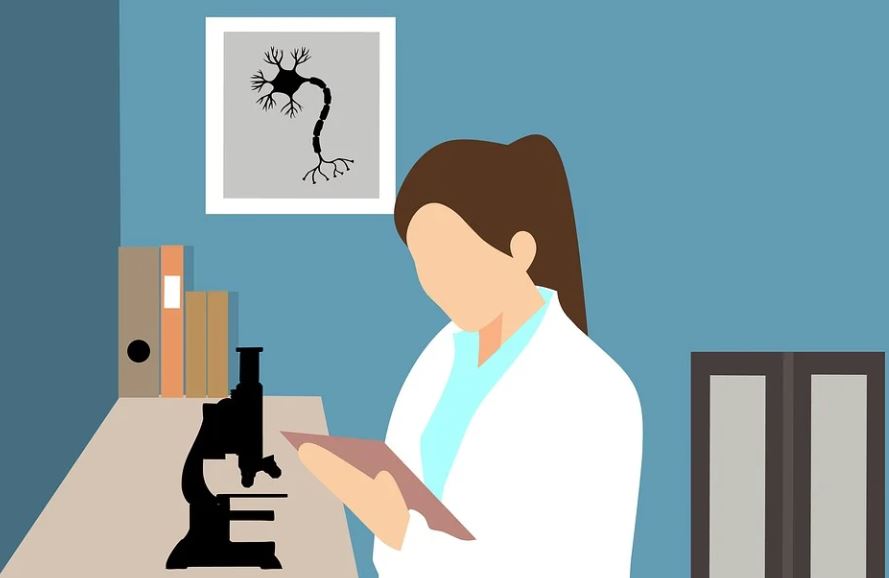
 This is a perfectly valid question, especially if you’re concerned about passing an upcoming drug test and you feel that your system may not have enough time to filter out all the chemical traces of drug use. Fortunately, there are a few key factors which determine how long marijuana stays in your system, and these may be able to point you in the right direction about where you stand in terms of passing your drug test.